Black Friday Deals for Winter Photography Clothing
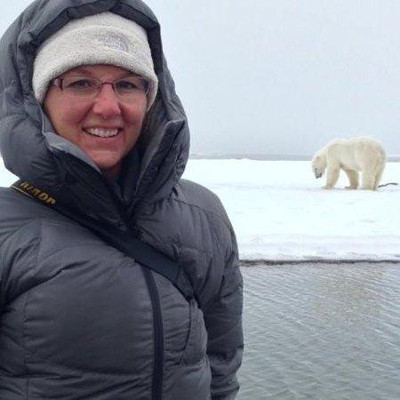
Welcome to Black Friday, when an abundance of sales happens on items that may not go on sale any other time of year. The sales can be overwhelming when you're trying to find the best deals. It can also be very easy to fill up a shopping cart with all the items we want for ourselves while shopping for our loved ones. But shopping is fun. I have two websites open on my computer right now with more than I probably need in the shopping carts. So, here are a few tips for places to get items for photographers who like to photograph in winter conditions. The winter months bring cold temperatures, falling snow and icy conditions. More than any other season, it is important to not only keep the camera gear protected from the cold but protect ourselves when outdoors.
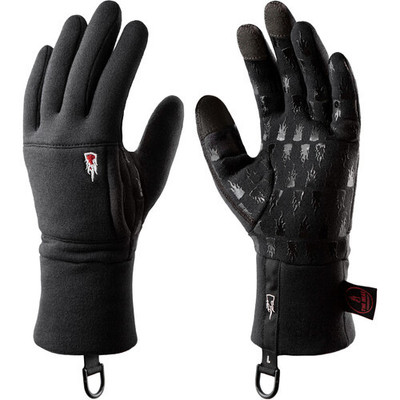
Gloves Keeping our extremities warm – head, feet and hands – can be one of the best ways to feel better when outdoors. Although I haven't yet found a glove solution that perfectly handles the cold yet functions well with a camera, I have used a couple of products that work okay. Ideally, use two gloves: a liner glove thick enough to keep your fingers warm yet thin enough to use your camera and a flip-top outer glove. I have two pairs of liner gloves, and an outer pair of gloves. This has worked for me but the system has its issues. I describe all of these points below. - RucPac Professional Tech Gloves: These are warm and work on touchscreens, a feature that many liner glove product descriptions say but are not always accurate. I like the tacky, rubberized grip on the palms too. I have found the size to be too big for my hands but they have held up well. - The Heat Company Polartec Merino Glove Liners: I loved these gloves, except for two important factors: they wore holes in the fingertips in less than a year and they are quite pricey compared to similar gloves. They fit great, they were warm and had tacky, rubberized grip on the palm. They also have a pouch on the back for a hand warmer. But in cold weather I don't want my skin exposed so the holes in the fingers became a problem. These rarely go on sale, including for Black Friday. I also have The Heat Company shell fold-down mittens. I bought the leather version and do not like how bulky they are at the zipper area where the top folds over.
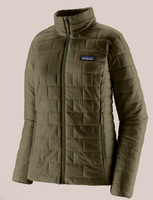
- SHE Outdoor Liner Gloves: I have a pair of these liner gloves as well. Designed for women, the length of the fingers fit much better than unisex gloves. Available at Cabela's. - RucPac Extreme Tech Gloves: These are the outer flip-top gloves that go with the liners. I have not tried these but have them on order as I hope they resolve the issue of staying dry in snow. Neither these or the liner gloves appear to be on sale on the few websites I checked. - Heated gloves: I do own a pair of Matkao heated gloves, powered by batteries. I love the Ororo brand, however, and although I own a different brand of heated gloves, I would go with Ororo now. The challenge with heated gloves is the batteries, which are bulky and sit on your wrist but the heat on the fingers definitely helps in extreme cold temperatures. - Flip-top fleece glove: I have had this pair for a long time. They are warm, wash easily, are super light and affordable. The only downside is that they are not waterproof or water-resistant. Coats I live in an area where I need a coat year-round. Although the coat's thickness changes throughout the year, I need lighter down jackets for high elevations in summer and a thick, heavy parka for my winter tours in the Arctic. This list covers the full set of coats but for winter, I recommend the parka and down coats. Land's End Expedition Down Waterproof Parka: I have used this parka for winter trips to the Dalton Highway, Fairbanks, Minnesota, Churchill and Yellowstone, with -45 degrees being the coldest. Although heavy, it worked great, and staying warm was all that mattered. It has numerous pockets, including several large ones, faux-fur trim on the hood to block the wind, and snow-resistant fabric to stay dry. Use code BELIEVE for 50% off REI Shell with 3-in-1 option: I wear an REI shell with my Patagonia down jacket on colder days. This shell also works well over a thick fleece and base layer. The colors aren't ideal for wildlife photographers, limiting the option to black to avoid the brighter colors. Patagonia Nano Puff Jacket: I am thrilled to see Patagonia finally have some subtle, earthy tones for their women's jackets. As a wildlife photographer, I wear natural colors that blend into the landscape. The Nano Puff jacket line has been around a long time and offers great warmth in a lightweight jacket. It is an ideal jacket to layer under a shell or to wear on its own in warmer weather. I do wish the jacket was a bit longer in the back. Patagonia is known for higher prices but they stand by their quality. As of this writing, Patagonia is not showing any Black Friday discounts on its website but there is a 15% discount on full-priced items if you sign up to receive the company's emails. Backcountry.com is offering Black Friday discounts on Patagonia clothing.
Hats I keep a few beanies in my car and camera bag. I only wear hats with a fleece lining; without it, my forehead itches. I definitely don't want to miss a shot while scratching my head. It is also important to make sure the hat sits low enough to cover your ears. Choose a natural color, like tan or gray, or camouflage to reduce distractions outdoors. A couple of options I like are the Sherpa brand hats and fleece hats. Turtle Fur hats are also comfortable and Cabela's sells camouflage options. Don't get a hat that is too tall or has a big pom-pom; it may prevent a hood from sitting over the hat. Neck Warmers
Socks
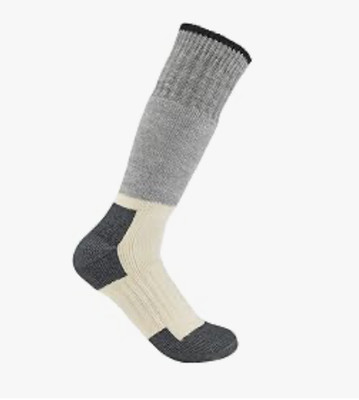
I also have heated socks, most recently going with the Ororo battery-powered socks. The only downside to battery-powered socks is that when the battery power drains, the socks don't hold much warmth. This was why I bought the Ororo socks, which are wool. Some sock companies, including Ororo, sell spare batteries, which I recommend. Footwear With a warm sock, consider the footwear needed to comfortably wear the thicker socks. If the shoe is too tight, circulation may be cut off, which can lead to cold feet. During winter and in snowy conditions, I like two different boots.
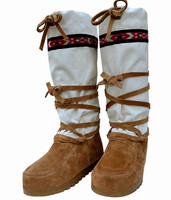
The other boot I love for keeping my feet warm in harsh winter conditions is the Steger Mukluk boot. This boot works great in snow, but they are only water-resistant, so don't use it in conditions where you think you may be in water or mud (they are too pretty to get muddy anyway). They are comfortable, stylish, very warm and super light, making them great for travel.
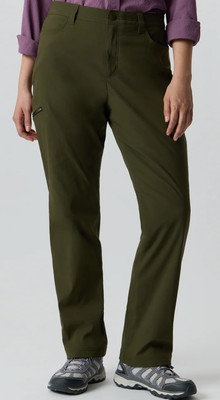
Core Clothing Next to keeping your head, hands and feet warm, keeping your core warm is vital for comfort outdoors in winter. As with the socks and gloves, I like the Ororo brand of heated clothing. I have a vest and a jacket. These are ideal to wear with just a base-layer shirt underneath. With this configuration, you can stay warm while not feeling uncomfortably bulky. Base layers come in all shapes and sizes. I have found that the Eddie Bauer base layer shirts keep me warm with minimal bulk and without the need for heavy top layers. Unfortunately, they no longer sell this shirt. Patagonia sells a similar shirt and there are options available at REI and Columbia. Pants seem to be the least concerning, but warm, water-resistant pants add to outdoor comfort and give you more time to focus on that great wildlife photo. I live in the Eddie Bauer Guide Pro fleece-lined pants in winter, and they are 50% off for Black Friday. I rarely need anything else under or over them. If I do, however, I can put on a light pair of base-layer pants, making sure they won't snag on the fleece.
I also have one pair of down pants. They are super warm and pack great, taking up little space and weighing next to nothing, but I do find they don't block the wind very well. They also need a base layer under them, as the nylon fabric can feel cold. Colors There may be arguments for and against wearing camouflage in the field. I personally do not on a regular basis, but I have some camouflage outerwear. In most cases, wildlife will know you are nearby. They have senses beyond what humans can comprehend because they need to survive outdoors. Camouflage clothing, however, helps break up our form outdoors, which can reduce disturbance to wildlife as we wait to photograph the animal. I mostly opt for neutral and natural colors, such as tan, dark green, olive or brown. If the options are limited to bright colors, I choose black, which is usually available in most clothing styles. If you want a pop of color, plum or dark purple work well. Keep in mind that some animals like deer, elk and birds see short-wavelength light. This means that shades of blue stand out to these animals. If heading to an area like Baffin Island, where the landscape may be completely white and the animals are not used to being in the presence of people, wearing white clothing may help with approaching wildlife. For most locations in the Lower 48 states, the animals are plenty used to seeing people, making white clothing unnecessary. Just like camouflage clothing, however, breaking up your form against the background can help improve your ability to photograph wildlife.
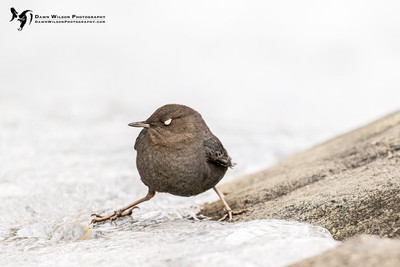
Enjoy the winter photography opportunities. White on white always makes for stunning images, so dress warmly and head out to find white-feathered birds or white-furred animals in those snowy landscapes or animals braving the elements of winter. Note: Some links in this post take you to websites where I may earn a small commission without any additional cost to you.
Keywords:
clothing,
Colorado,
landscape,
nature,
nature photography,
photo,
photographer,
photography,
tips,
tips for nature photographers,
travel,
wildlife,
winter
|